Paperback Writer
Released in 1966 as a non-album single, "Paperback Writer" arrived at the midpoint of the Beatles' career as both an immediate pop smash and a signpost toward the studio experimentation that would define their later work. Credited to Lennon-McCartney, the song is primarily Paul McCartney's creation: he supplied the lead vocal, the character's voice and much of the song's compact, hook-led structure. On its flip side came "Rain," a recording that would itself become famous for its backward-vocal experimentations.
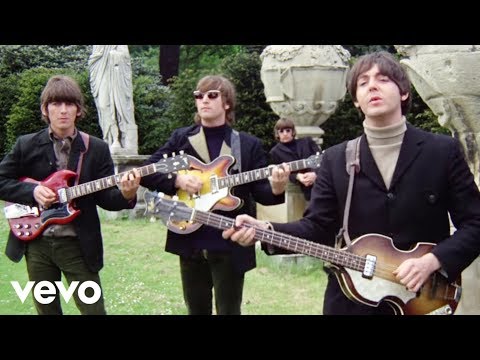
The session for "Paperback Writer" took place at EMI's Abbey Road Studios in April 1966 with George Martin producing and the band at full tilt. The record's tight, punchy sound came from unusually aggressive close-miking and layered backing vocals from John and George, combined with a crushingly present bass that pushed the track's rhythmic drive. The Beatles also shot promotional films for "Paperback Writer" and "Rain" in May 1966, early examples of what would become the modern music video, and the sessions around this single capture the group moving from touring-era immediacy toward the possibilities of the studio as an instrument.
At its heart, "Paperback Writer" is a character piece. The lyrics are written as a letter to a publisher-"Dear Sir or Madam, will you read my book?"-spoken in the first person by a would-be author desperate for publication. That framing lets McCartney inhabit a voice that is neither heroic nor confessional but transactional: abrasive, eager and self-promotional. The repeated insistence of the title and the constant, clanging guitar figure suggest both the banal commercial machinery of publishing and the determined optimism of someone pitching work in a crowded marketplace. It's a sly portrait of ambition and commerce in miniature, one that plays as both affectionate pastiche and subtle critique of mass-market culture.
Commercially, the song performed spectacularly. It topped the charts in the United Kingdom and also reached number one in the United States, reinforcing the Beatles' dominance of the single format even as they were beginning to think more in album terms. The immediate reception emphasized the record's muscular sound and the arresting hook; for many listeners it reaffirmed that the group could navigate pop economics while still pushing their own boundaries.
Culturally, "Paperback Writer" sits at an interesting junction. It came out during a period when the Beatles were retreating from constant touring and beginning to experiment more deliberately in the studio, and the single captures that transitional energy: the arrangement is concise and radio-friendly, but the production choices-particularly the prominent bass and layered vocals-hint at the textural ambitions that would bloom later in 1966 and 1967. The song has stuck in the public imagination as an emblem of mid-60s British pop smarts, and its title phrase remains one of those instantly recognizable pop hooks.
There are a few delicious bits of trivia around the track. The decision to make the lead vocal so forward in the mix and the insistence on a single, pounding guitar figure was a deliberate move to give the record a hard edge; at the same time, the song's premise-writing in the persona of a paperback novelist-was an exercise in creative perspective that appealed to McCartney's talent for melody and narrative. The promotional clips filmed for the single are often cited as precursors to the music video era, offering a clear example of the Beatles moving beyond conventional TV appearances.
"Paperback Writer" has been interpreted and covered across genres, and while it hasn't become as omnipresent in cover catalogs as some Beatles standards, it has been taken on by rock and pop artists attracted to its punchy riff and theatrical vocal concept. Today it remains a staple of classic-rock radio and Beatles anthologies, valued both for its immediate pop strength and for the way it presaged the next stage of the band's artistic journey.
Listening now, the song's charm lies in that compressed storytelling: a vivid, somewhat comic persona singing with dead-serious conviction, backed by a band that sounds ready to turn their newfound studio tricks into something more expansive. It's a small, bright, ambitious record-an advertisement and a short story folded into a three-minute pop song-and in that duality it captures a lot of what made the Beatles compelling at this point in their career.