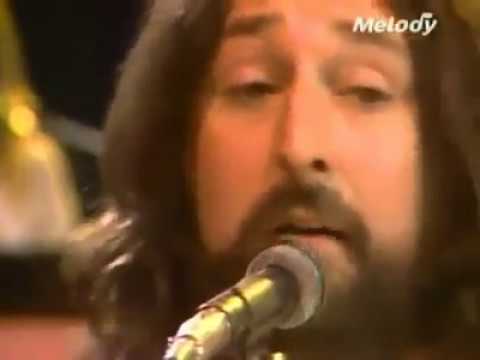
Goodbye Stranger: A Farewell that Sticks
"Goodbye Stranger" arrived as one of the clearest statements on Supertramp's 1979 album Breakfast in America, written by Roger Hodgson and carried on his distinct tenor. It sits among the album's glossy pop-rock songs with a narrative that was at once personal and broadly relatable: a parting, a blessing, and the clear-eyed acceptance of life on the move. The track's mix of melodic directness and lyrical ambiguity helped it become a memorable moment on an album that defined the group for a wide audience.
The song was cut as part of the Breakfast in America sessions, where the band was intent on delivering tight arrangements and radio-ready performances without losing the deeper folds of their songwriting. Those sessions were notable for a focus on layered keyboards and carefully sculpted instrumental interplay; the result is a recording that feels both economical and rich. Musically, the arrangement gives Hodgson room to carry the story without clutter, a production choice that helped the chorus land with deceptive ease.
On the surface, the music is deceptively upbeat: a crisp mid-tempo groove, clean keyboard figures and a melodic guitar break that punctuate each turn of the lyric. Hodgson's vocal is conversational and composed, never melodramatic, which is crucial to the song's emotional balance. The instrumental break functions like a breath between verses, a place where the band lets the feeling settle before the narrator speaks again. That restraint in the playing makes the farewell in the chorus feel resolute rather than spiteful.
Lyrically, "Goodbye Stranger" is a study in graceful detachment. The chorus-"Goodbye stranger / It's been nice / Hope you find your paradise"-is a goodbye that honors what was shared without trying to bind it. The verses sketch a wanderer who has habits and needs incompatible with permanence, and the narrator offers neither apology nor recrimination, merely the reality that paths are separating. There is a tenderness threaded through the lines, not in the form of yearning but as a clear-eyed generosity: a recognition that sometimes love or camaraderie is most honest when released rather than possessed.
That interpretive center is what has kept "Goodbye Stranger" resonant. It functions as both a travelogue and a meditation on modern independence-an anthem for anyone who has chosen motion over settlement, or been on the receiving end of such a choice. The song's voice is simultaneously worldly and weary, making it easy to picture the narrator as a touring musician, a restless lover, or an archetypal loner who prefers the road. Its emotional truth comes less from narrative detail than from the tone: firm, wistful, and oddly comforting.
In the years after Breakfast in America, the song remained a fixture in Roger Hodgson's setlists when he began performing solo and has been embraced by fans as one of his signature numbers. Its continued presence in live shows underlines how closely it is identified with Hodgson's songwriting voice. Over time it has been covered and reinterpreted in informal settings and by artists who connect to its bittersweet clarity, even if no single cover has eclipsed the original in fame.
Beyond the personal resonance, "Goodbye Stranger" is interesting as a slice of late-70s pop craft: a song that takes a simple emotional premise and refuses melodrama, choosing clarity of feeling and melodic restraint instead. That compositional discipline-paired with a studio sheen-helped the track survive changing tastes and remain a conversation piece for listeners who come back to it, often at moments when a clear-eyed farewell feels more like a gift than a loss.