When the Sex Pistols dropped "God Save the Queen" in 1977 it landed like a Molotov cocktail on the polished lawn of British popular music. Released in the same year as their only studio album, Never Mind the Bollocks, Here's the Sex Pistols, the single was credited to the Sex Pistols-principally John Lydon (Johnny Rotten), Steve Jones and Paul Cook-and it arrived at the height of the Queen's Silver Jubilee celebrations. From the first blast of guitar and Lydon's sneer, the song announced itself as a deliberate provocation, an anti-establishment howl that rewrote what a pop single could be in a moment.
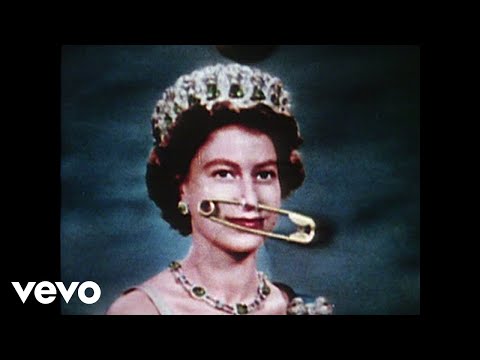
The recording sessions for the song took place in 1977 during the album sessions overseen by producer Chris Thomas, with Bill Price on engineering duties. Those sessions were raw and direct: the band wanted immediacy over polish, and the performances reflect that urgency. After bassist Glen Matlock's departure the band reorganized in the studio, with Steve Jones taking on many of the bass parts; the result was a tight, muscular backing that carried Lydon's venom without bogging the sound down in technique. Around the release, Julien Temple shot a compact, confrontational promo film that intercut images of the band on a boat on the Thames with archival footage of the monarchy-a visual companion piece that amplified the single's sense of outrage.
The song's commercial performance was as scandalous as its sound. "God Save the Queen" climbed high on the charts during Jubilee week but was famously kept from the number one spot on the official UK singles chart; it peaked at number two amid widespread claims of chart manipulation and suppressed sales. Mainstream broadcasters and retailers shied away from it-the BBC banned the record and many shops refused to stock it-so the single's ascent happened in spite of, not because of, the traditional channels of promotion, which only increased its underground prestige.
Lyrically, "God Save the Queen" is a study in paradox and provocation, and it is here that the song still resonates most powerfully. Ostensibly attacking the monarchy with its repeated titular phrase, the song inverts the national anthem and buries it in a context of social despair: lines like "No future, no future, no future for you" steal the cadence of patriotic certainty and replace it with a diagnosis of disillusionment. Lydon's delivery is a mixture of contempt and vulnerability-more a wounded sneer than a straightforward scream-so the song never reads as simple hatred. Instead it lays out a generational indictment: a Britain where institutions seem impermeable, where ritual and pageantry mask economic and cultural stagnation. The irony is double-edged; the chorus both lampoons blind reverence and exposes how that reverence has failed the lives of ordinary people. The effect is not merely to shock but to force a moment of national introspection-an anthem rewritten as a question.
The cultural wake of the single is larger than its three-minute runtime. It crystallized punk's visual and rhetorical codes-the ransom-note cover art, the safety-pinned fashion, the deliberately abrasive PR-and it pushed the debate about censorship and youth anger into public view. Artist Jamie Reid's collage treatment of the single's sleeve, a defaced portrait of the Queen with slashed features and jarring typography, became as iconic as the record itself: an image of cultural detournement that spoke as loudly as the lyrics. The controversy surrounding the record and its reception only deepened the Pistols' mythos, accelerating the band from nuisance to national symbol of dissent.
Over time the song has become a touchstone for anyone writing about punk's political edge. It has been covered and referenced across genres, and though specific performative tributes vary, the original's rawness remains the benchmark. Beyond the covers and the controversies, "God Save the Queen" endures because it captures a particular mixture of anger, wit and ruinous hope-a snapshot of a society in which young voices found the language of demolition the only language left that felt honest. Even decades on, the song's sting is in its refusal to let easy patriotism go unchallenged, and in that refusal it continues to provoke, unsettle and compel.