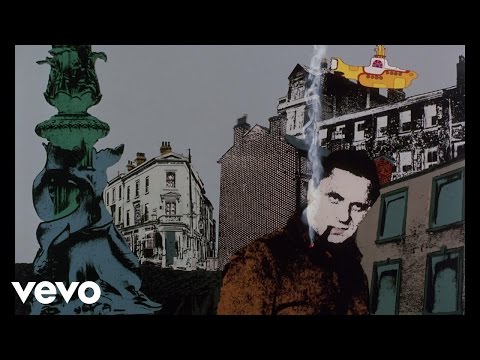
Eleanor Rigby arrived in 1966 as part of the Beatles' Revolver era, a song that helped signal how far the group had moved from pop conventions in just a few short years. Credited to Lennon-McCartney but largely imagined and written by Paul McCartney, it stood out at the time for its stark narrative and for pairing contemporary songwriting with a chamber ensemble rather than guitars and drums. On Revolver, it sits like a small, cold photograph among more psychedelic and studio-centric pieces, and its release marked a clear shift toward storytelling and studio experimentation.
Recorded at Abbey Road under the production of George Martin, "Eleanor Rigby" is notable for its classical string octet arrangement-no rock band backing, no percussion, just voices and sharply arranged strings. George Martin orchestrated the score, bringing in classical players to realize a tight, staccato texture that drives the song as much as the melody does. The effect is almost painfully close and contained, like the two vignettes in the lyrics boxed into a short film. McCartney sang lead, with the other Beatles contributing vocal coloring rather than instrumental support.
There are a few memorable session details that help explain the song's unusual impact. The string parts were written and notated in a way that emphasized rhythm as much as harmony, which was relatively new territory for popular music at the time. The Beatles themselves stood back from the instrumentation: their role was composition and vocal delivery, while the classical players brought a different discipline and tone. Studio techniques-tight vocal takes, careful balances between voice and strings, and an economy of arrangement-made the words feel immediate and public, as if someone were reading aloud the margins of ordinary life.
At the heart of "Eleanor Rigby" is the lyric, and this is where the song lives: two brief, devastating portraits of isolation. The image of "Eleanor Rigby, picks up the rice in the church where a wedding has been" and of "Father McKenzie, writing the words of a sermon that no one will hear" do not aim for plot so much as for a moral illumination about unnoticed lives. The chorus-"All the lonely people, where do they all come from?"-is at once a question and a condemnation: modernity has produced masses of anonymity, ritual without community, and rites that go unobserved. That lyrical economy-small details that add up to a profound social commentary-has made the song a touchstone for discussions about loneliness, urban dislocation, and the failure of institutions to connect people to one another.
Part of the song's mystique comes from the stories and controversies that orbit its creation. The name "Eleanor Rigby" sparked decades of speculation-graves, shop signs, and possible inspirations have all been proposed-yet the song resists a single biographical reading and functions better as a composite of many lonely lives. Another striking fact is that the record pushed the Beatles and George Martin into more formal, classically inflected territory without losing popular immediacy; critics and listeners at the time took note that rock music could carry such bleak, literate vignettes. The song's austere production and its refusal to offer tidy consolations have also made it a point of departure for debates about authorship and artistic intent within the Lennon-McCartney partnership.
"Eleanor Rigby" has accumulated cultural weight beyond the original recording: its melody and lines have been reinterpreted by orchestras, chamber groups, television soundtracks, and tribute albums, and it has become a frequent touchstone in conversations about songwriting and social commentary. Rather than catalogue every cover version, it is enough to note that artists from across genres have returned to the song because its core-voice and story over a spare accompaniment-translates easily into other idioms. Its image of isolated figures and the unforgettable chorus make it a go-to piece when creators want to evoke loneliness or to explore the ethics of visibility in modern life.
Decades on, the song endures because it marries an austere musical choice with a lyric that refuses easy sentiment. "Eleanor Rigby" does not console; it holds a mirror up to ordinary smallness and asks listeners to look. That simple, cruel honesty is why the track continues to be discussed, covered, and taught: it demonstrates how a short, unadorned piece of pop music can capture something deep and unsettling about the human condition.