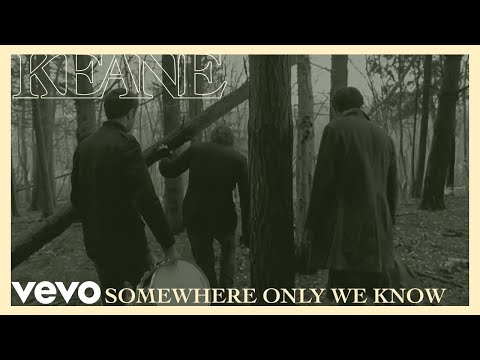
Somewhere Only We Know - A Quiet Monument
When Keane released Somewhere Only We Know on their 2004 album Hopes and Fears, it arrived like a small, inevitable revelation. Written by Tim Rice-Oxley and carried on Tom Chaplin's plaintive voice, the song crystallized the band's piano-led approach into a single, aching anthem. Its uncluttered architecture - piano, steady drums, and a swelling melodic line - made it feel both intimate and monumental from the first bars.
The song was shaped during the Hopes and Fears sessions, when Keane were honing a sound that set them apart from their guitar-driven contemporaries. With no electric guitar in the mix, the piano took center stage, and the production emphasized space and emotional clarity rather than studio trickery. That sparse palette allowed the melody and words to breathe, and the arrangement over the course of the track builds in a way that feels almost like returning to a remembered place.
Even in the studio, Somewhere Only We Know was treated as something to be revealed slowly. The band worked to preserve a live intimacy while giving the chorus the emotional lift it needed, layering vocals and tasteful orchestral touches rather than crowding the track. The result is a song that sounds simple on the surface but rewards repeated listens: small production choices - the piano tone, the reverb on Chaplin's voice, a string swell here and there - do the heavy lifting in service of the lyric.
The heart of the song is its lyric, and this is where it lives. Lines like "I walked across an empty land / I knew the pathway like the back of my hand" set up a landscape of memory and familiarity, and the repeated invocation of "somewhere only we know" turns that landscape into something sacred and private. It reads like a meditation on refuge: a place, real or imagined, that offers shelter from change, from loss, from the small betrayals of growing up. The ambiguity is deliberate. Is the place a childhood hideaway, a former lover's embrace, a mental sanctuary created to survive grief? The song refuses to pin itself down, and that refusal is part of its power. The listener is invited to map their own memories onto the terrain, so the song functions as both confession and communal map.
That openness helped the track become Keane's signature and gave it wide cultural traction. It became a radio staple and an emotional shorthand in TV and film placements, where producers could use it to signal longing, reunion, or melancholic nostalgia without crowding a scene. A later high-profile moment came when Lily Allen recorded a cover for a major holiday advert in 2013, bringing the song to a new audience and reminding listeners how malleable the piece is - able to sound fragile in one voice and consoling in another.
There are interesting facets to the song's story that underline its quiet mythos. Keane's early identity as a band without guitar amplified the singularity of the piano ballad, and that structural choice fed public perception of the group as earnest and melodically driven. Fans and critics alike debated whether the song is a love song, a prayer, or a lament; part of its staying power is that it can be all three. It has also become a staple in cover culture - performed by choirs, buskers, and soloists - which speaks to the tune's straightforward, singable quality.
Lily Allen's version is the most visible cover, but the song's afterlife has been extensive: acoustic takeovers, stripped-down piano renditions, full orchestral reworkings - each rendition finds a different corner of the song's emotional map. That ubiquity has at times sparked conversations about overexposure, but it also testifies to the track's utility as a vessel for feeling; its melody and phrase structure make it an easy and rewarding song to reinterpret.
Twenty years on, Somewhere Only We Know remains a study in how simplicity can contain complexity. It is both a private confession and a song that has been made public again and again, folded into other people's memories at weddings, funerals, TV montages, and late-night singalongs. Keane wrote a place into a piece of music, and listeners have kept going back to it because it offers exactly what its title promises: a somewhere that feels, for a few minutes, like somewhere only we know.