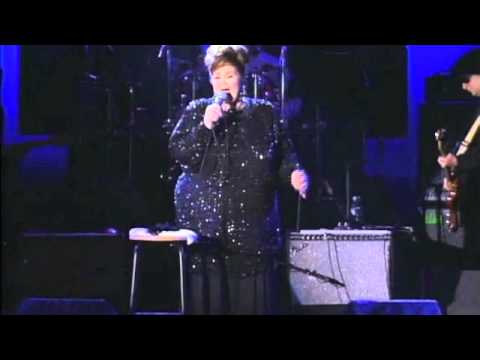
There are songs that arrive fully formed into the collective imagination, and then there is Etta James' "At Last" - a recording that somehow turns the private moment of finding lasting love into a public confession. Released in 1960 on the album At Last!, her version did not invent the tune but it irrevocably remade it: a mid-century standard reborn as a slow-burning soul ballad because of the way she sang it. The album title made the song synonymous with her voice, and the single became the signature through which generations would discover both the song and the singer.
Origins
"At Last" itself dates back decades before James' take. The song was written in 1941 by lyricist Mack Gordon and composer Harry Warren and was introduced in the era of big bands and movie musicals. It spent its early life as a romantic standard in that world - the kind of song built for orchestras and smooth radio voices - until Etta James set about translating its lyric into a different language: the language of blues and yearning.
Recording and Arrangement
When James recorded "At Last" for her 1960 album, the arrangement was transformed into something huskier and more intimate. A lush string arrangement frames her performance while a rhythm section breathes around her phrasing, allowing small pauses and elastic timing to make the lines land like confessions. The contrast between orchestral sweep and raw vocal grain is central to the recording's power: those sweeping violins could have pushed the track toward syrup, but James' earthier tone keeps it grounded, urgent and believable.
Lyrical meaning and interpretation
At its heart, "At Last" is a poem of arrival. The lyric catalogs a long wait - nights and hopes deferred - and then, almost impossibly, the fulfillment arrives: "At last, my love has come along." Etta James treats that fulfillment not as a quiet relief but as a revelation. Her phrasing emphasizes the small miracles in the text: the shift from longing to possession, the discovery that the world now makes sense because a true companion is present. She stretches the final syllables, holds a note as if trying to make the moment last, and in doing so she turns intimacy into spectacle without losing its sincerity. The listener is pulled into the emotional arc: the patient ache of anticipation, the stunned joy of recognition, and the quiet certainty that love has finally arrived. In performance the song becomes an emotional map - not merely romantic idealism, but an account of survival and reward.
Cultural resonance and notable covers
Etta James' version reshaped how people heard the song, and over the decades it became a staple at weddings and an emblem of cinematic romance. It has been covered across genres, but one of the most visible modern echoes came when Beyonce performed the song in the 2008 film Cadillac Records, portraying James' persona to a new audience. The song's ability to sit comfortably in a jazz club, a wedding first dance, or a movie soundtrack speaks to the universality of its lyric and the elasticity of James' arrangement.
Interesting facts and legacy
An interesting twist in the song's life is how Etta James' recording came to eclipse the song's origins. Many listeners assume she wrote it, or that it was crafted in that 1960 session, when in fact it had been around for decades. Yet that does not diminish the way her version redefined the tune for modern listeners - she turned a big-band ballad into something timelessly soulful. Over time the recording has also come to symbolize James' own narrative: a voice marked by struggle that nevertheless expresses hope and triumph.
Whatever the story of its origins or the list of artists who have borrowed its melody, "At Last" endures because of the emotional alchemy in James' performance. The song is not merely a declaration of love; it is a rehearsal of memory, a catalog of the loneliness that makes the arrival of love feel miraculous. Hearing it, you come to believe that some waits are worth the cost, because the arrival has the power to change how you inhabit time itself.