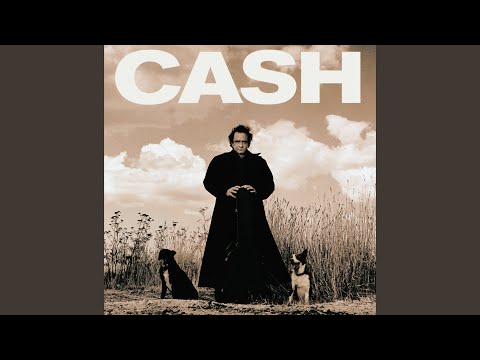
Johnny Cash - "Delia's Gone"
"Delia's Gone" is a version of a long-lived American murder ballad usually titled "Delia" or "Delia's Gone." Johnny Cash recorded the song multiple times during his career; the best-documented commercial appearances are on his 1962 Columbia album The Sound of Johnny Cash and on his 1994 Rick Rubin-produced album American Recordings.
Writers, origin, and credits
The song originates in early-20th-century folk tradition and is widely treated as traditional. Over the decades the ballad circulated in several versions and was recorded by many folk and blues artists. A later copyright has sometimes been attributed to Karl Silbersdorf and Dick Toops; modern releases sometimes list those names in publishing credits. Where sources differ between "traditional" origin and later copyrighted attributions, record credits vary by edition.
Year and album appearances (Cash)
- 1962: The Sound of Johnny Cash (Columbia) - includes a full-band studio version recorded during the album sessions.
- 1994: American Recordings (American Recordings) - a stark, solo acoustic re-recording produced by Rick Rubin for the first American Recordings album. This later recording received a high-profile music video.
Recording facts and studio details
The 1962 version appears on sessions gathered for The Sound of Johnny Cash; those album sessions are documented as taking place between April 1961 and February 1962 and used Cashs regular collaborators and studio musicians of the Columbia era.
The 1994 American Recordings version was produced by Rick Rubin and recorded as part of the minimal, acoustic sessions Rubin organized with Cash in the early 1990s. Contemporary accounts describe the American sessions as deliberately spare, often recorded in informal settings (sometimes described as "living-room" sessions) and then mixed for release; engineering and production credits for the 1994 release list Rick Rubin as producer and show modern mastering and mixing personnel on the album.
Chart performance
There is no evidence that any of Johnny Cashs album recordings of "Delia's Gone" reached the singles charts as a hit. Discography listings show "Delia's Gone" associated with the American Recordings era and as an album track, and indicate it did not register on major U.S. country singles charts when issued as a single in the 1990s.
Cultural relevance and notable media uses
The "Delia" ballad family is one of the more persistent American murder-ballad traditions; versions were common in the folk revival and recorded by blues and folk artists through the 20th century. Johnny Cashs renditions helped keep the song visible to country and rock audiences in separate eras of his career.
The 1994 American Recordings version was accompanied by a striking music video directed by Anton Corbijn that featured model Kate Moss; the video received attention on music television and in the press for its stark, cinematic imagery and for casting a high-profile fashion figure in a macabre role. Coverage of the video and of the American Recordings campaign credited the clip with helping introduce Cash to a younger rock audience in the 1990s.
Controversies and critical responses
As a murder ballad in which the narrator describes tying, shooting, and later being haunted by his victim, "Delia's Gone" has provoked criticism and discomfort when performed in modern contexts. Critics and commentators have noted that some renditions, including lines added or emphasized in later recordings, underline misogynistic or violent elements of the narrator's voice rather than condemning them. Discussion of the 1994 recording and its video often centers on the uneasy balance between artistic provocation and the song's violent subject matter. Contemporary pieces about the American Recordings sessions also report that Cash sometimes improvised or altered words when he did not recall earlier variants, which shaped the tone of the later recording.
Notable cover versions and recorded history
The song exists in multiple branches of the folk tradition and was recorded by a wide range of artists over the 20th century. Early and influential recorded versions include blues and folk performers; later covers and adaptations were made by artists across genres. Documented performers who have recorded or performed versions include Blind Willie McTell (early blues variant), Josh White and Pete Seeger (1950s folk revival), Harry Belafonte, Burl Ives, The Kingston Trio, Pat Boone (who had a minor chart presence with "Delia Gone" around 1960), Bobby Bare, Waylon Jennings, Bob Dylan and others. Johnny Cash himself recorded it multiple times across his career. Different performers used different lyrics, arrangements, and emphases, reflecting the song's folk evolution.
Expanded song meaning and artist comments
Origins and meaning: the core narrative describes a man who kills Delia and is later tormented by her memory; that framework has allowed performers to treat the song either as a straightforward crime story, as dark humor, as a cautionary tale, or as a meditation on guilt. Folklorists trace elements of the song to an early-1900s Savannah, Georgia incident often connected to the name Delia Green, though the song transformed in oral and recorded tradition into multiple distinct variants.
Johnny Cashs approach: commentators on Cashs 1994 recording and on his earlier 1960s performances note differences in emphasis. Accounts from the American Recordings era say Cash had performed the song earlier but that he sometimes did not remember exact lines and thus occasionally adapted verses while re-recording; contemporary reviews and profiles interpreted the 1994 rendition as darker and more remorseless in tone than some earlier versions. Direct, extended interviews in which Cash explains the song in detail are not readily found in standard published sources; most discussion is critical and historical rather than based on long artist statements. Where no direct interview comment by Cash is located in available records, statements above are based on reporting about the recordings rather than on a sustained quote from the artist.
Short lyric excerpt
"Delia's gone, one more round, Delia's gone"
Summary
"Delia's Gone" is a traditional American murder ballad with a long, regionally varied history. Johnny Cash recorded the song in the early 1960s for The Sound of Johnny Cash and revisited it in a stark form for American Recordings in 1994; the later recording and its Anton Corbijn video with Kate Moss brought renewed attention to the song. The song's origins in early-20th-century folk tradition, its many recorded variants, and the moral ambiguity of the narrator keep "Delia/Delia's Gone" a frequently discussed example of how American folk material adapts to changing performers and audiences.